
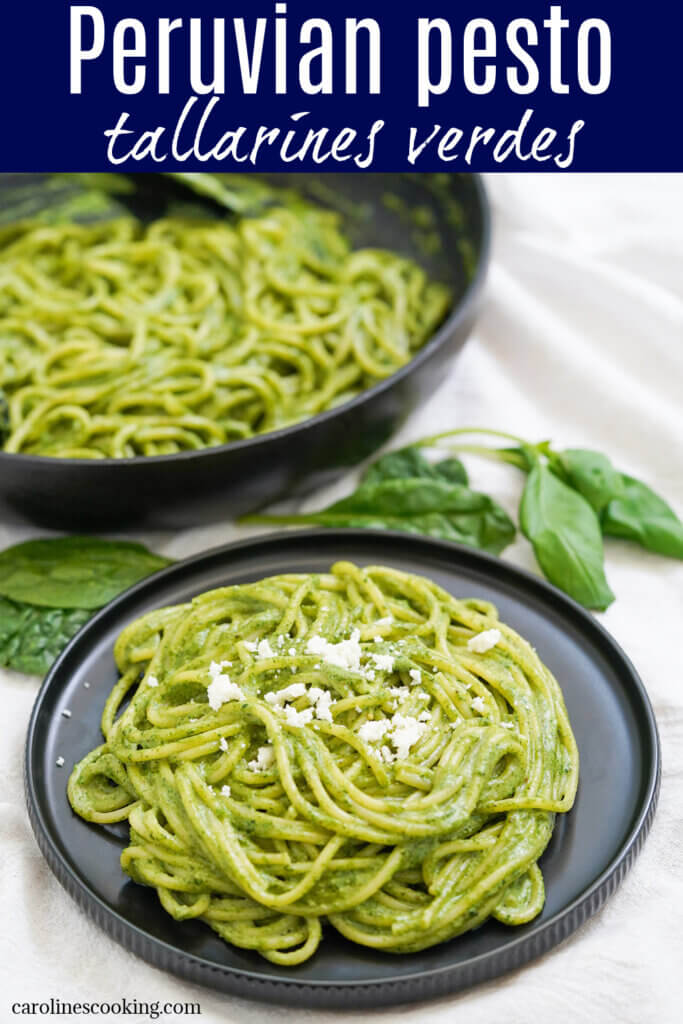
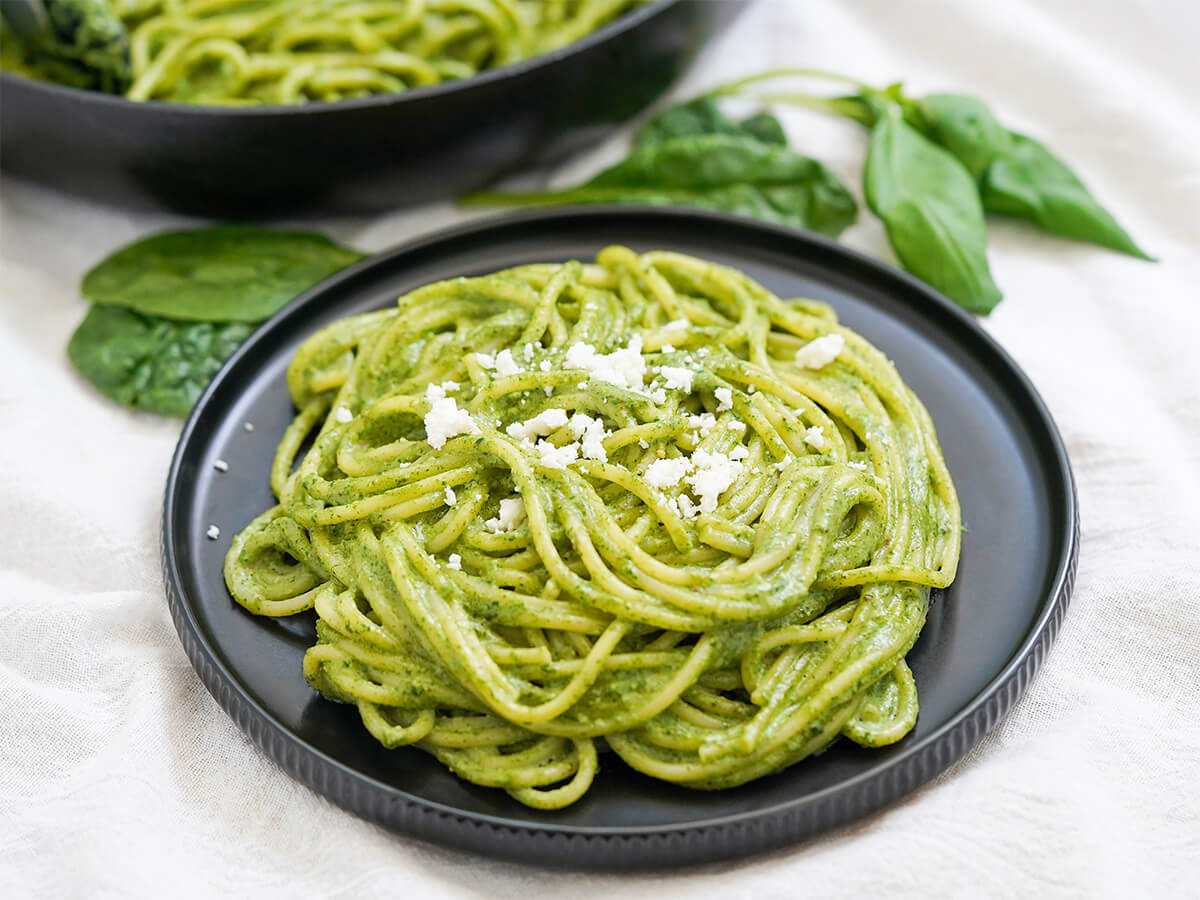
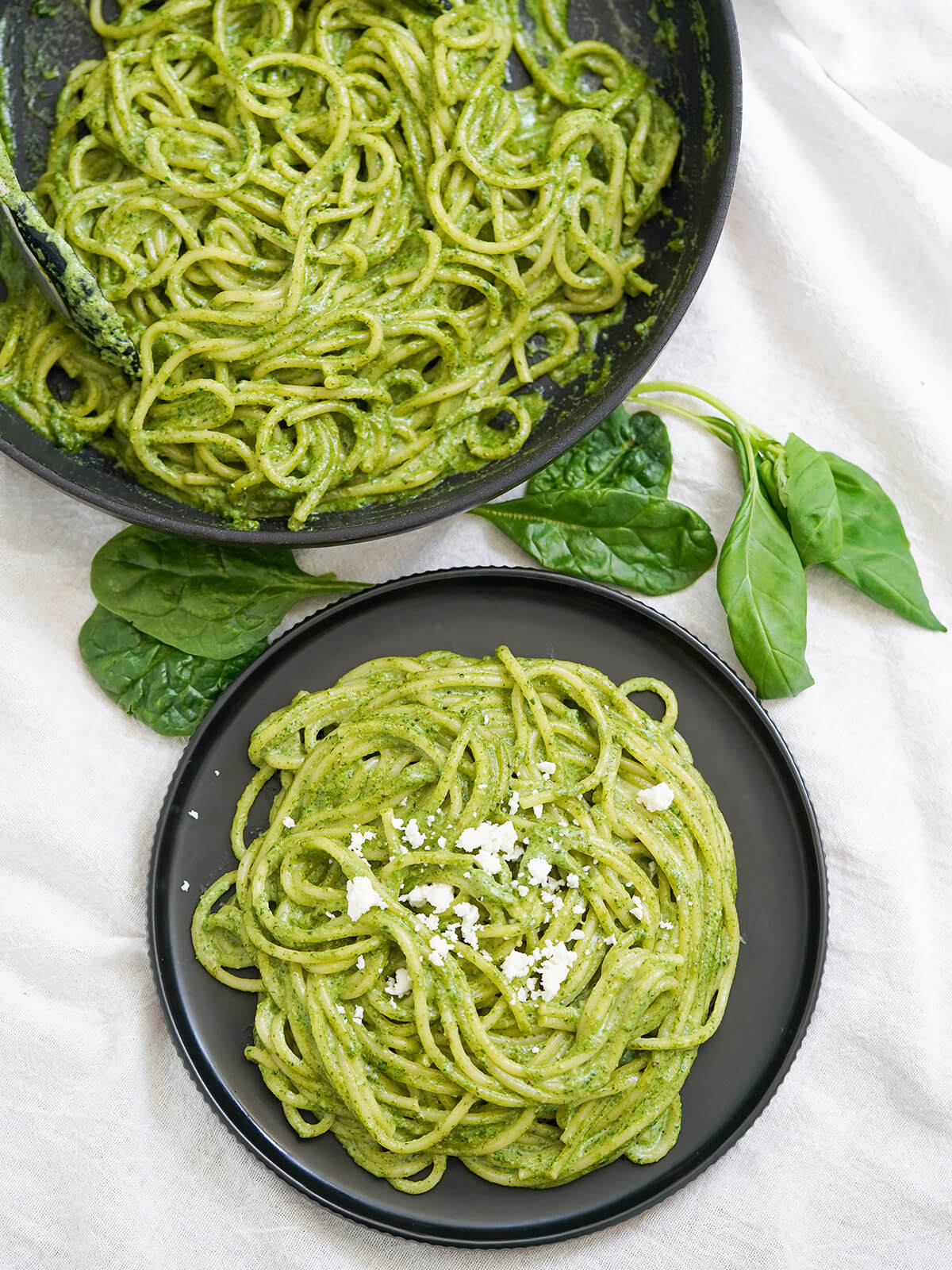
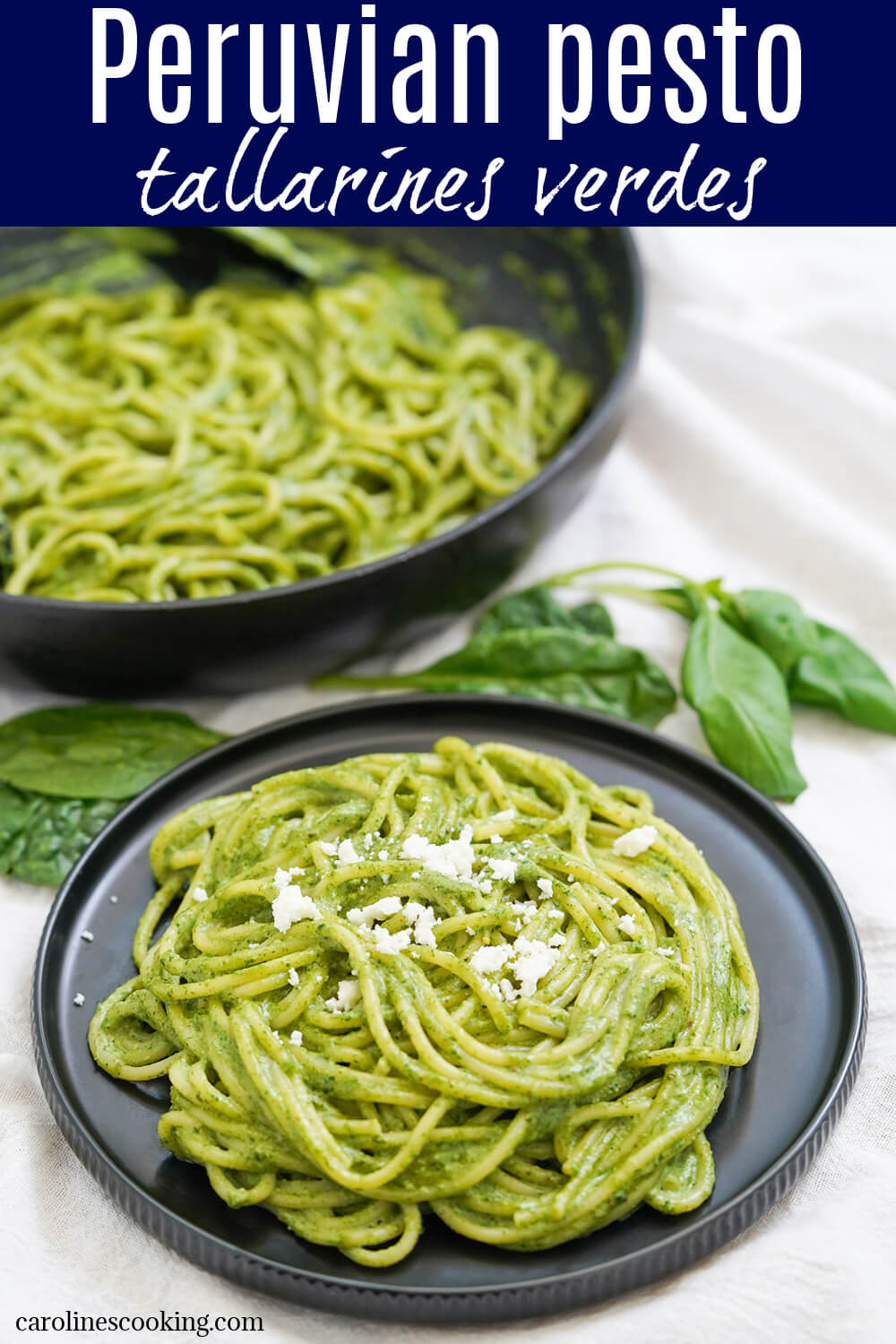
Tallarines verdes is the Peruvian take on pesto pasta. It shares some of the same ingredients as it's Italian cousin, but with a few key differences: it's smoother, creamier and wonderfully comforting. Easy to make and delicious as a side or main in itself.
This post may contain affiliate links, where we earn from qualifying purchases. See more details in the policy page.
I've been a fan of Peruvian food ever since my first visit there now more years ago than I want to admit. Over that time, it's been nice to see Peruvian cuisine gain some international recognition. Now some classics like Peruvian green sauce, aji verde, and of course ceviche are relatively well known. But there are still plenty more dishes to discover, including some I have shared here.
One thing I love about Peruvian cuisine is that it's a true melting pot. You'll find many dishes brought by immigrants and then been adapted to local ingredients and tastes. For example, lomo saltado is essentially a Chinese stir fry adapted to Peruvian ingredients, and tiradito similarly draws on Japanese sashimi. Then this green pasta is thanks to Italian immigrants.
Italian influence in Peru
Italians first arrived in Peru during the Spanish colonial era. Many came from Liguria, in particular Genoa. Apparently the republic of Genoa had close ties to Spain, and many of these early immigrants settled in Lima and were engaged in trade. Larger waves of immigration also happened after Peruvian independence, in the later 1800s. Again, many came from the same area.
As is probably no surprise, the Italian immigrants introduced pasta to Peru. And given the strong ties to Genoa, it's no surprise they also brought one of Genoa's most famous creations, pesto.
While you can find classic pesto in Peru, this Peruvian variation is much more common. It's considered a classic home-cooking dish but you will also find it in restaurants. And while it's definitely different, it's delicious in it's own right and well worth trying.
How is Peruvian pesto different?
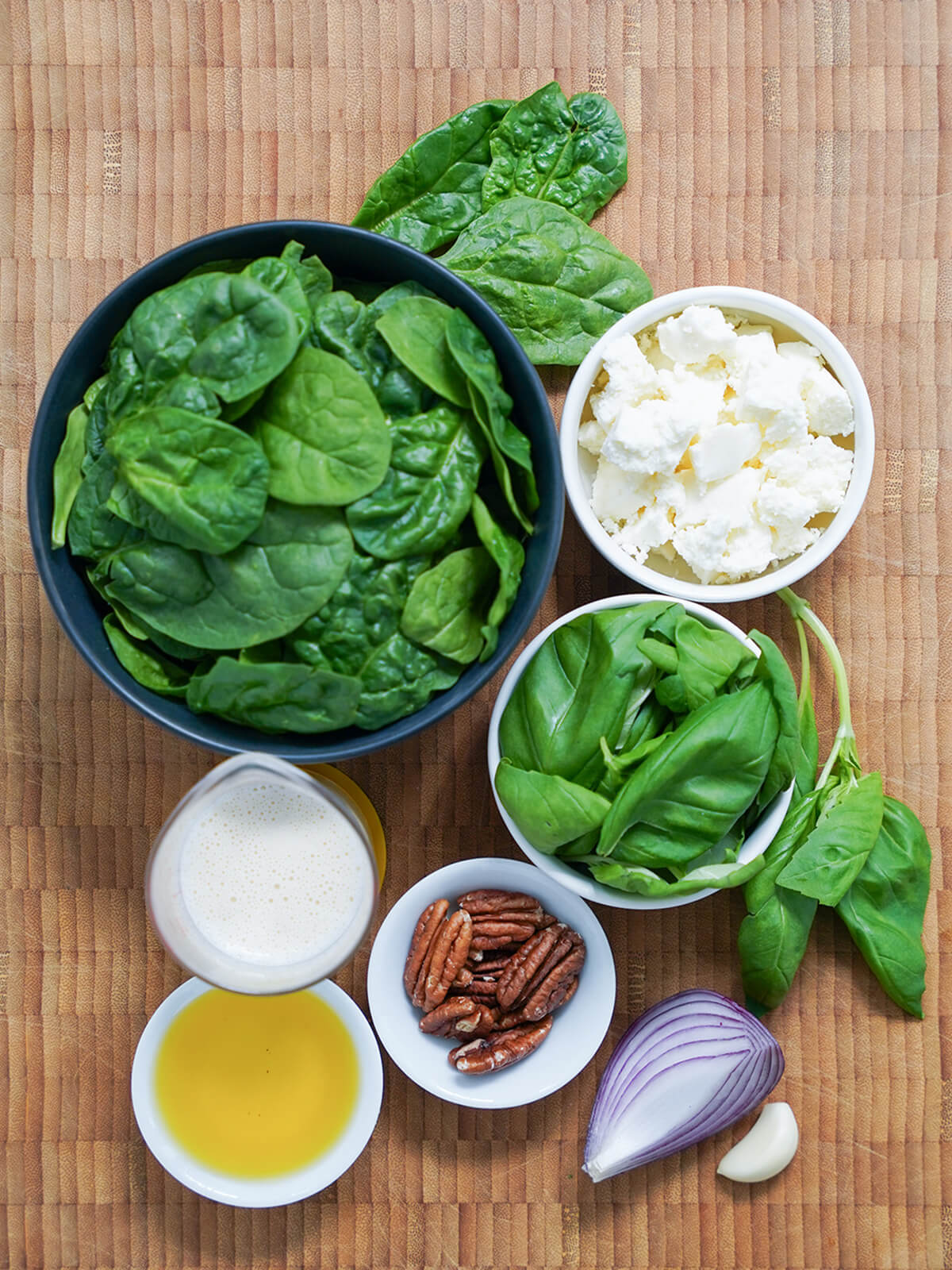
The sauce in this dish is smoother, creamier, and more mellow than Italian pesto due to a few key differences in the ingredients:
- The main green is spinach, with a smaller amount of basil, which made it cheaper but also makes it more mellow.
- The sauce includes queso fresco, rather than parmesan, a local cheese more readily available. It's a softer cheese and is milder and creamier as well.
- Instead of pine nuts, the sauce typically includes pecans or walnuts, both of which are grown in Peru. You also use a smaller quantity of nuts.
- While it includes some olive oil, the main liquid is evaporated milk, which adds extra creaminess.
One other big difference is that you use a little onion and cook it gently, along with the garlic, before blending things up. This means the aromatics lose their sharpness and become more mellow. You also wilt the greens rather than using raw. But this cooking is all quick, then you simply blend it up.
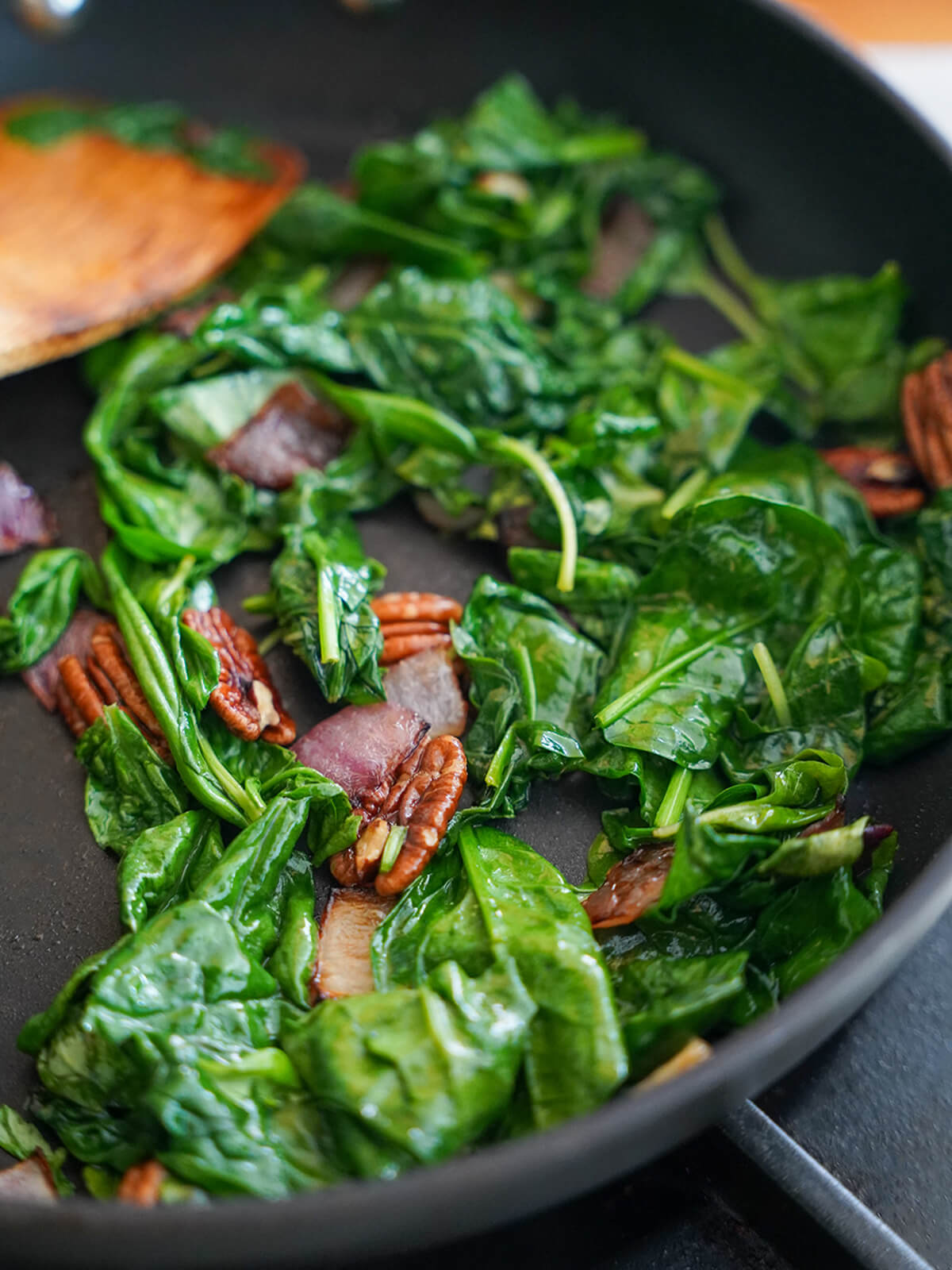
The end result is a sauce with a vibrant green color and a mild, creamy flavor that's almost a cross between a classic pesto and an Alfredo sauce. You can make the sauce while the pasta cooks, and you don't need that many ingredients, so it's perfect for busy nights.
Ways to adapt and serve tallarines verdes
"Tallarines verdes" translates as green noodles - tallarines are generally tagliatelle or spaghetti, though you can use other shapes of pasta if you prefer. The sauce does cling nicely to the long noodles so they do work well.
The green pasta can be served just as it is, but you also often serve it as more of a side with meat. Common choices are simple fried or grilled steak or a breaded chicken, beef or pork cutlet (a "milanesa"). However quite a few other mains would work, too.
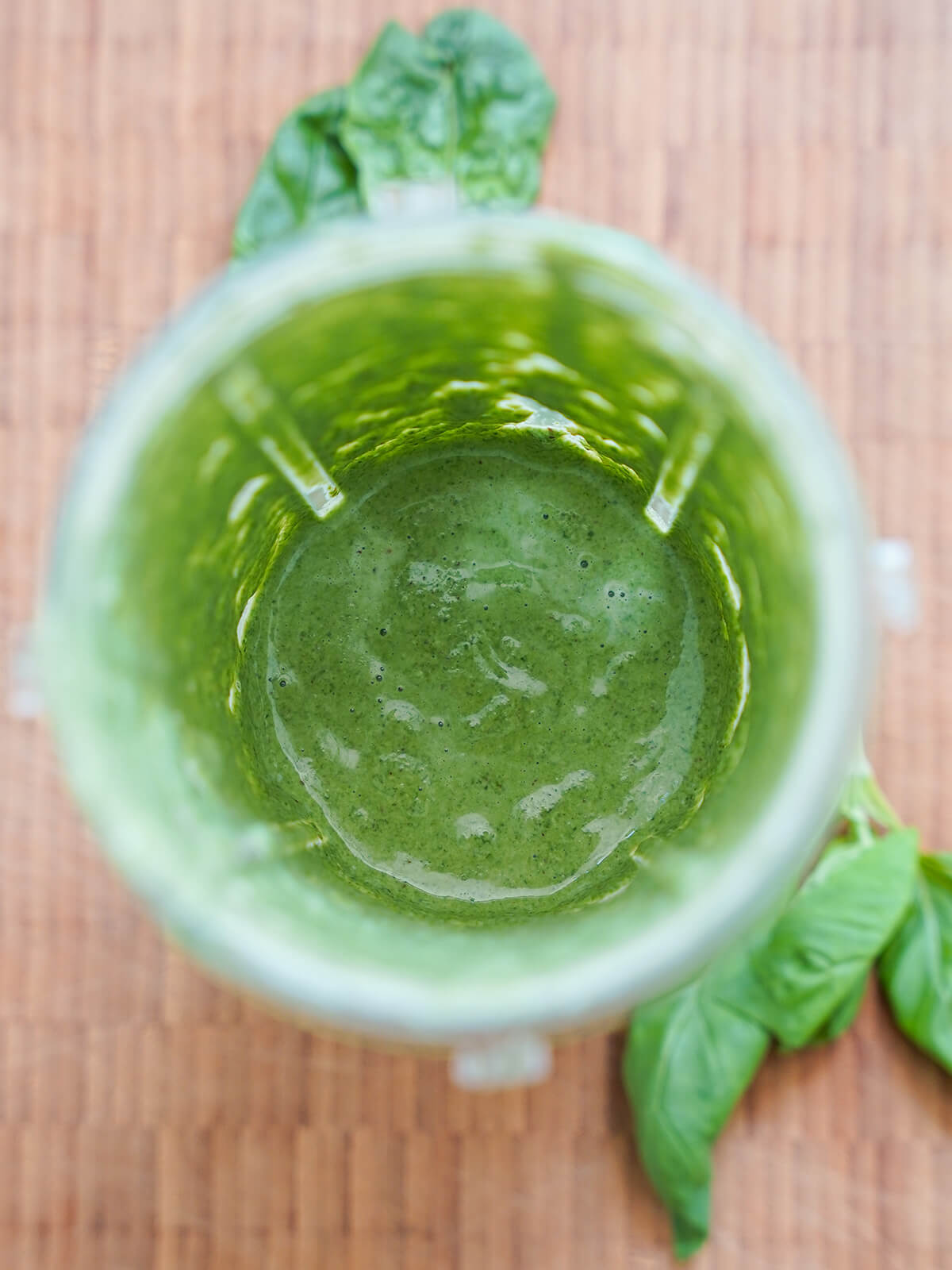
In terms of the sauce itself, you have a couple options on substitutions. Here I use pecans which personally I prefer, but as mentioned, walnuts also work. You could also use other nuts like pine nuts, as in Italian pesto, or almonds.
Evaporated milk gives a lovely creaminess and a little more richness/flavor, but regular milk would work as an alternative. If you can't get queso fresco, a mild feta would work as an alternative. While typically you have more spinach than basil, you can increase the basil quantity if you like. And generally, if you want to add more greens that can definitely work - it's a great way to get in more greens without really noticing!
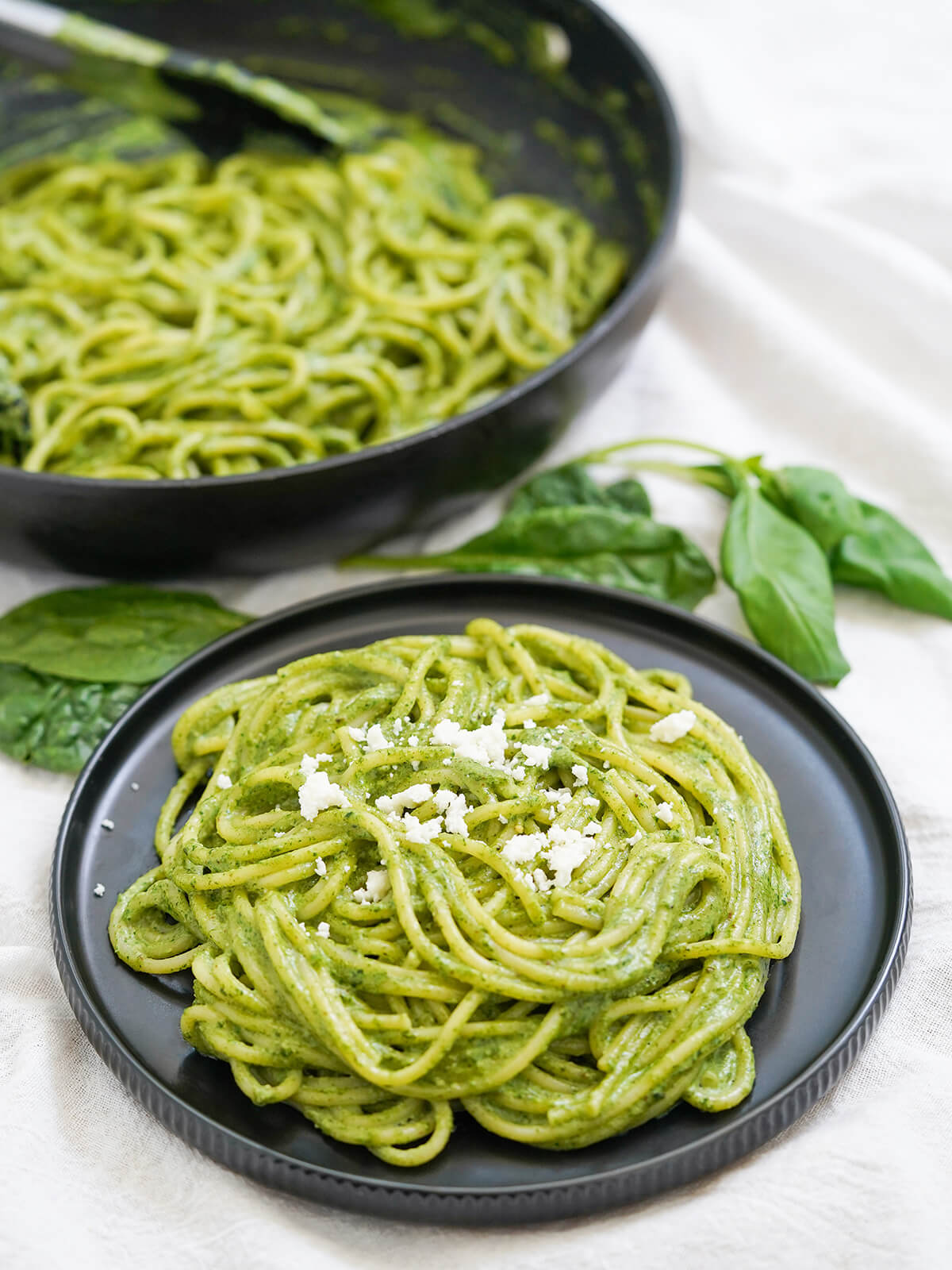
Tallarines verdes, aka Peruvian pesto pasta is a wonderfully easy, tasty dish that's well worth trying. It's quick, comforting, creamy and smooth, not to mention a wonderfully vibrant color. So many reasons to enjoy soon, and make it a regular menu item.
Try these other easy pasta recipes:
- Squid ink pasta with shrimp and tomato - an easy combination that's great for seafood lovers, and works with both homemade and store bought squid ink pasta.
- Lemon mascarpone pasta - another pasta dish that's perfect for spring, with a creamy sauce and adaptable spring vegetables mixed through.
- Crab pasta - this tasty seafood pasta has lovely light, delicate flavors.
- Plus get more South American recipes and main dishes in the archives.
Tallarines verdes (Peruvian pesto)
Ingredients
- 6 oz spaghetti or tagliatelle, see notes
- ¼ red onion
- 1 clove garlic
- 2 tablespoon olive oil
- 2 tablespoon pecan nuts 2 tablespoon is about 8 nuts
- 2 cups spinach well packed, volume/weight with stems removed
- ½ cup basil well packed, without thick stems
- ⅓ cup evaporated milk
- ½ cup queso fresco see notes (½ cup is around 2 ½oz)
- salt and pepper a little, to taste
Instructions
- Cook the pasta according to the packet instructions but on the lower end time-wise - al dente is better. Drain and set aside when ready, saving a little of the pasta cooking water just in case.
- Meanwhile, peel and roughly chop the onion and garlic.
- Warm part of the olive oil in a wide skillet/frying pan over a medium heat. Add the onion and garlic and cook a couple minutes until softening but take care they don't burn - reduce heat and/or add more of the oil as needed.
- Add the pecans and toast briefly. Reduce the heat, if needed, and add the spinach and wilt down in the heat of the pan - take care not to burn it, you just want it to soften and wilt. Add the basil, wilt it as well, then remove from heat.
- Place the onion, garlic, pecan, spinach and basil mixture in a blender and add the remaining oil, evaporated milk and crumbled queso fresco. Add a little salt and pepper, to taste (bear in mind the cheese can add a saltiness so you may want to only add a little pepper). Blend until smooth.
- Return the sauce to the skillet/frying pan and warm gently for a minute as you add the cooked pasta. Toss gently to coat the pasta evenly. If it is very thick, add a little reserved cooking water to loosen it up, then serve.
Video
Notes
Nutrition (per serving)
See some of my favorite cooking tools and ingredients in the Caroline's Cooking Amazon store.
Remember to pin for later!
Leave a Reply