
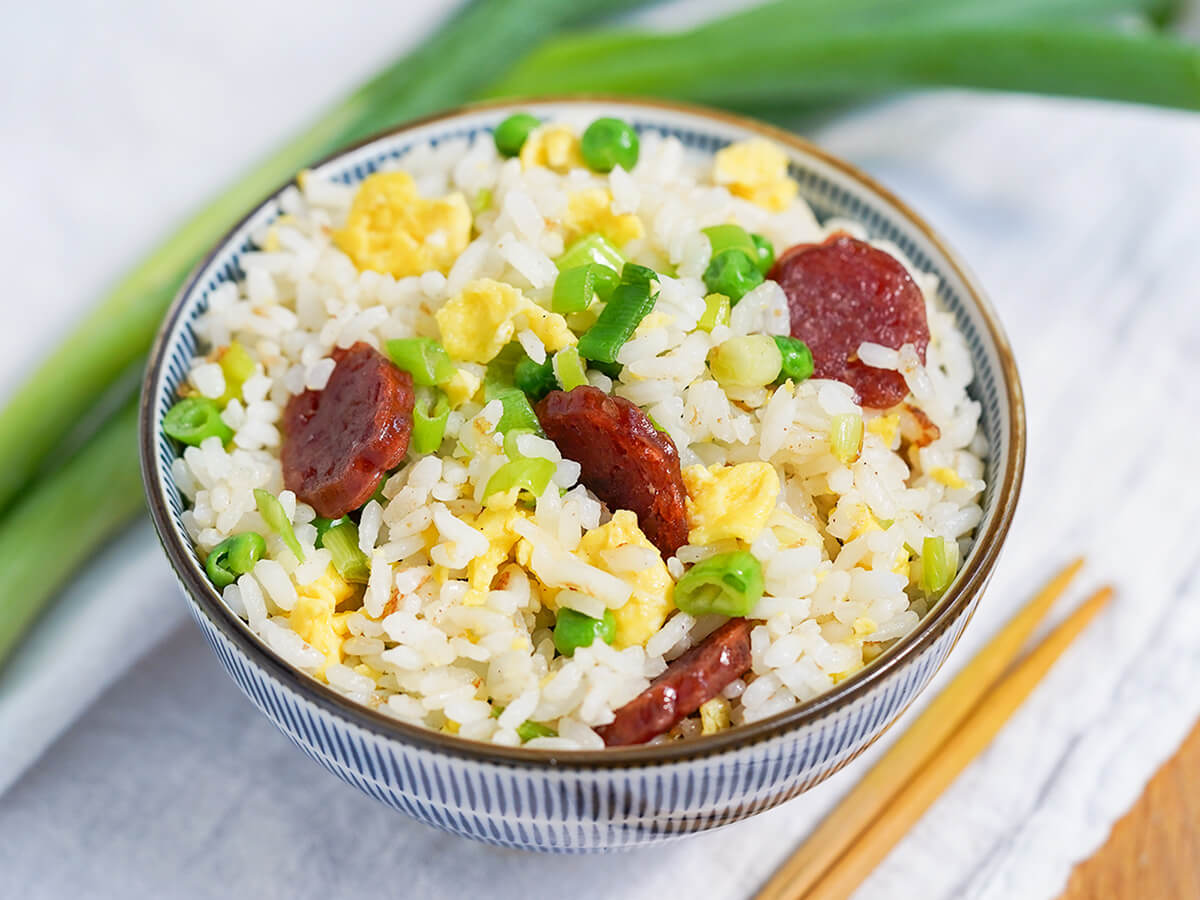
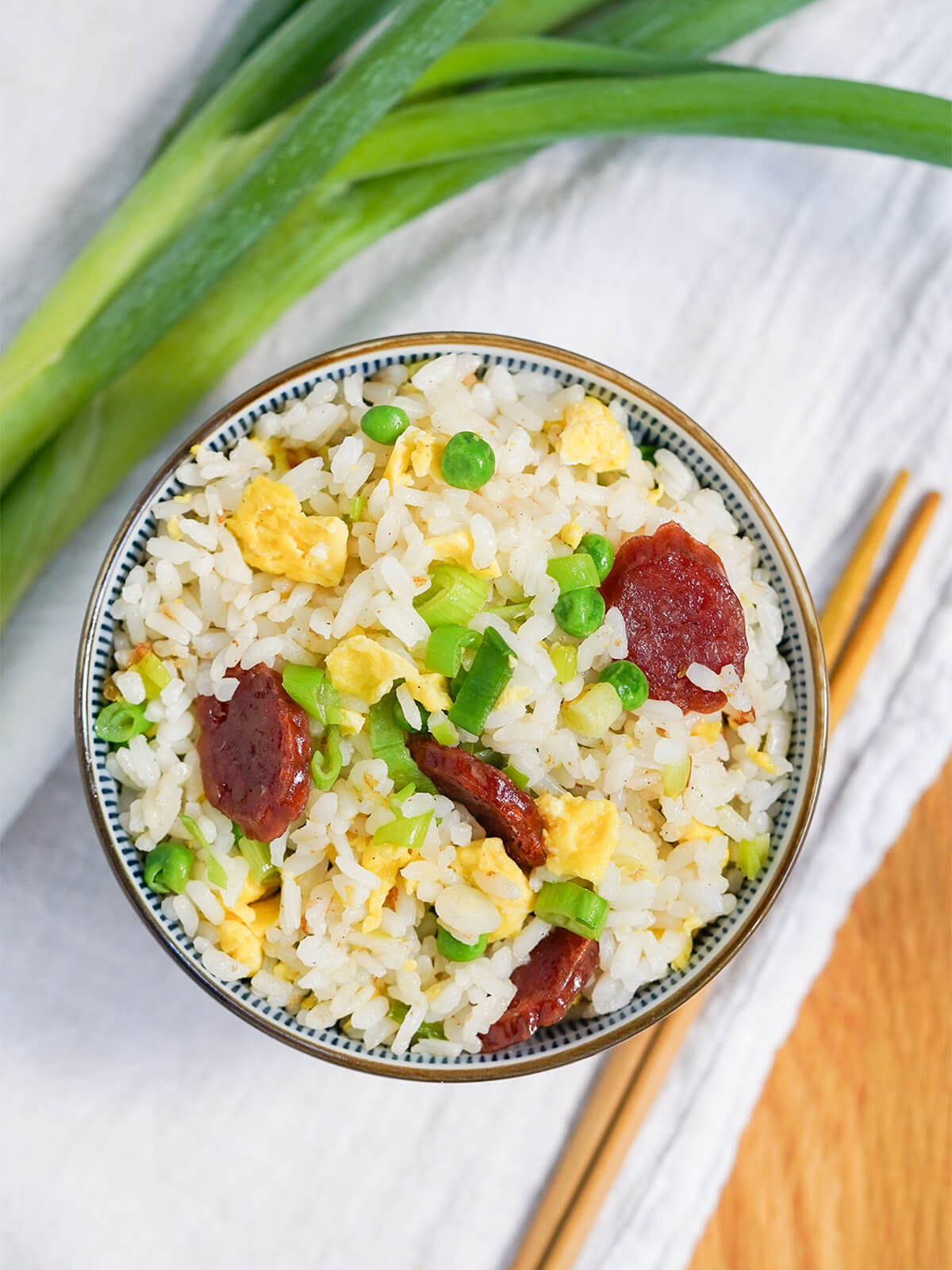
This Taiwanese-style fried rice is more than just a great way to use up leftover cooked rice, it's a tasty quick meal that's lighter than many other styles, and easy to adapt to what you have, too.
This post may contain affiliate links, where we earn from qualifying purchases. See more details in the policy page.
I'll be honest, fried rice is not something I will ever tend to pick as a takeout order, as it can so often be very oily and either lacking in flavor or too salty. But I really like it as a warm lunch option at home where I can make it to my own tastes.
Not only is it quick to make, it's highly adaptable based on what you have and prefer. You don't need a lot of ingredients or time before you enjoy a tasty, comforting plateful.
Fried rice origins and variations
Fried rice is believed to have originated in China during the Sui dynasty (589-618 AD) and was created largely as a way to use up leftovers. Over the centuries, different versions have evolved both in China and beyond. Many versions elsewhere are attributed to Chinese immigrants, including Indonesian nasi goreng and Japanese fried rice like chashu chahan.
Most fried rice styles, though, share the following key elements:
- Cooked rice - the core of the dish. It's generally either leftover from the day before or pre-cooked and chilled to help the grains separate more easily.
- Protein - this can vary but often includes egg and them maybe pork, shrimp, tofu or other ingredients depending on the region and chef.
- Vegetables - how much varies but most include eg peas, corn, carrot in small pieces.
- Seasoning - this is where the different styles vary most. Things like soy sauce, sesame oil, garlic and ginger are common.
Taiwanese fried rice, like much of the cuisine more generally, draws on the styles brought by immigrants from Southeastern mainland China, primarily Fujian (Hokkien) and Hakka.
It tends to be a little lighter in the seasoning than some other styles and adds only a little, if any, soy sauce. Instead, white pepper and a little rice wine brighten the flavors. In the version made famous by the Din Tai Fun restaurant chain, they use a pinch of chicken bouillon for a little more umami flavor, but I think it works well without (and it's not in many other versions I've seen).
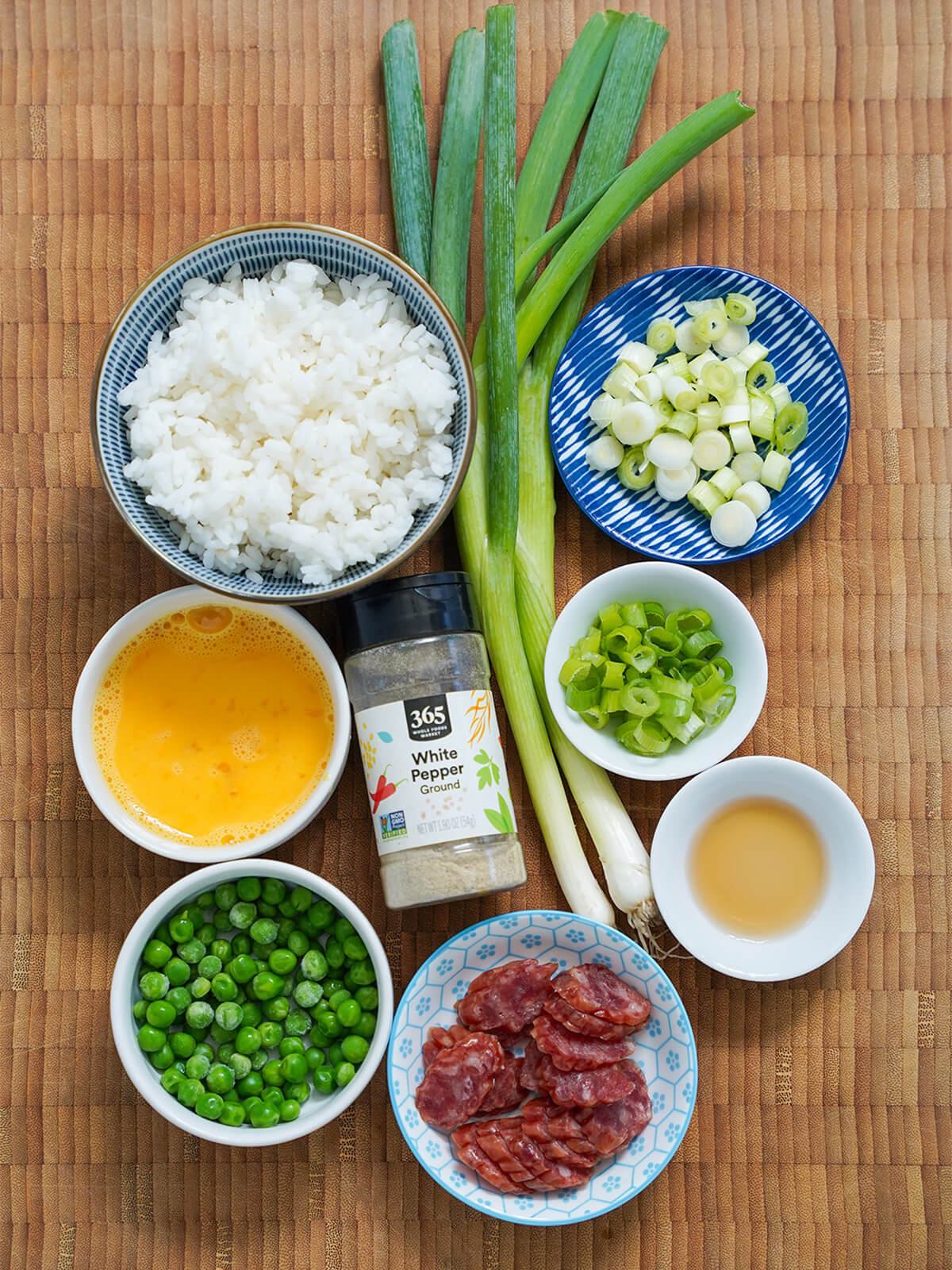
Here I have used Chinese sausage, but you could also use some diced/sliced pork belly, ham or chicken. Bacon would also work, but can be more dominant a flavor so maybe only in part. Tofu can work as a vegetarian alternative. I used peas as the vegetable, but this, too, you can vary to taste and what you have.
What type of rice should you use?
Taiwanese rice varies from most in mainlands China not just by the seasoning but also the rice. The main rice used in Taiwan is Penglai which is a hybrid of Japanese japonica rice, introduced during Japanese occupation. It's a short grain rice that is slightly sticky when cooked - it has a good "Q" texture (a Taiwanese term for bouncy, al dente).
Since Penglai can be tricky to find elsewhere, you likely need to use a substitute. Japanese short grain rices are relatively close and Calrose rice (grown in the US) is also pretty similar in size and texture.
That said, if all you have is long grain rice then go ahead and use that. The key, whatever you use, is that the rice is cooked properly before you start - make sure it is not soggy or undercooked. And let it cool completely to help the grains separate and have a good texture in the end dish.
Tips for making this dish
This is a very quick and easy dish to make but a couple tips help it come out it's best:
- Chill the cooked rice before cooking, it helps the grains separate better when they cook.
- Have everything chopped and measured before you start cooking. It all happens quickly so you don't want to be distracted getting things ready (and you don't really have time).
- Cook the egg first and remove to save overcooking it. This lets you give the aromatics/protein as long as they need without worrying.
- If you need to, add a splash of water at the end to help rehydrate the rice, though the rice wine may well be enough.
Other than that, it's fantastically quick and easy dish that you can scale up to suit, too.
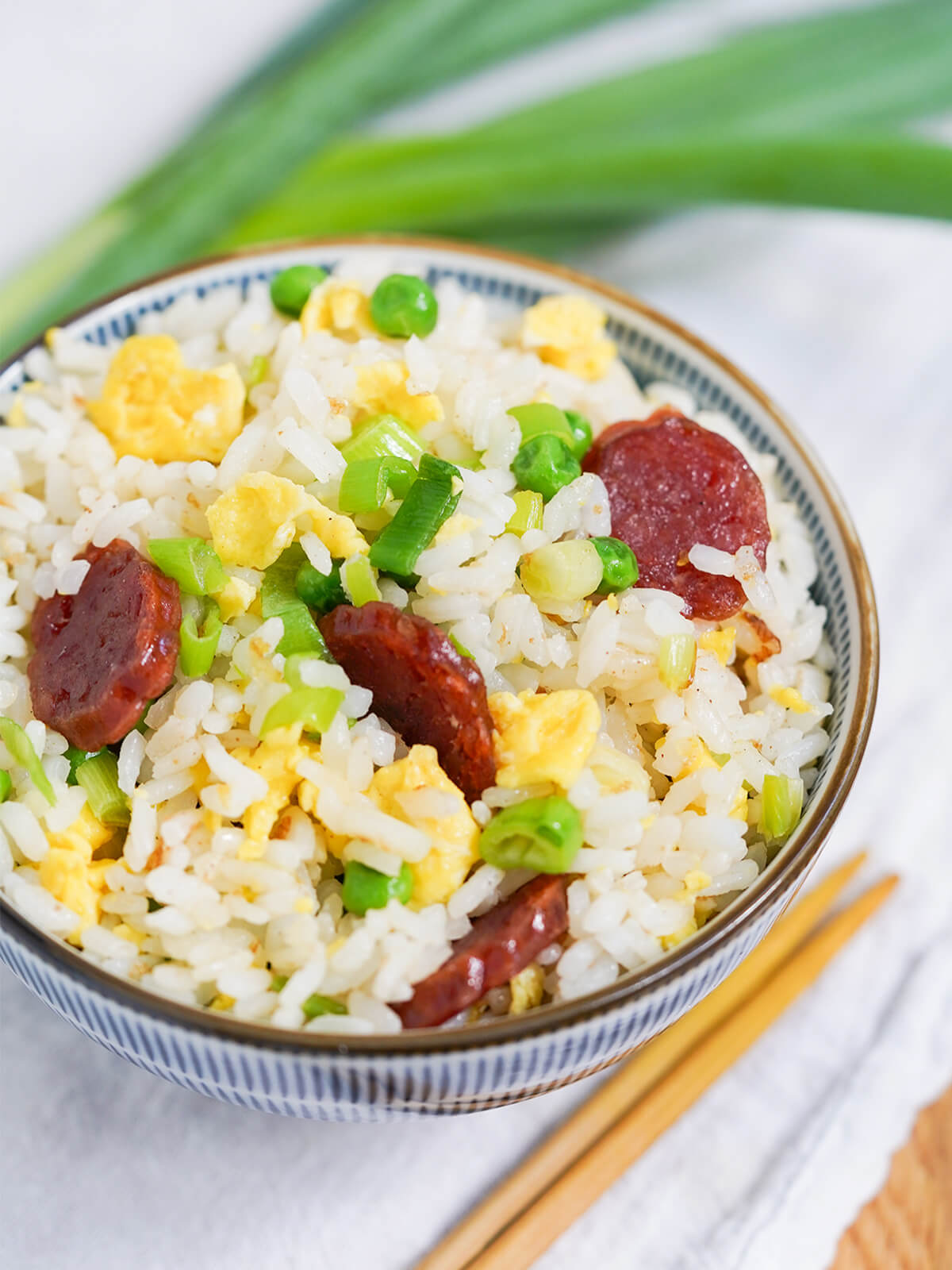
This Taiwanese fried rice is a really tasty variation on the fried rice theme, with light flavors and a lovely bright pop from the pepper. Quick, easy and adaptable, it makes a great quick meal any time.
Try these other rice dishes:
- Lao crispy rice salad, nam khao - a delicious mix of flavors and textures.
- Greek spinach rice, spanakorizo - packed with greens, it's a tasty side or main.
- Peruvian rice and bean cake, tacu tacu - a great way to use up both beans and rice with a tasty chili kick.
- Plus get more main dish recipes and Chinese recipes (including Taiwanese) in the archives.
Taiwanese fried rice
Ingredients
- ¼ cup Chinese sausage or eg ham, chicken, pork belly, tofu
- 1 cup cooked short grain rice see notes
- 2 spring onions (green onions)
- 1 egg
- ½ tablespoon vegetable oil approximately
- ¼ cup frozen peas or eg corn, finely chopped carrot
- ¼ teaspoon white pepper or a little more/less to taste
- ½ tablespoon rice wine see notes
Instructions
- For your protein, preparation depends a little what you use. Cut the sausage thinly on the diagonal, or if using ham, dice in small chunks. If using pork belly, cut into thin strips. For chicken or tofu, dice relatively small. With any raw items - pork belly, chicken (and can do with tofu) - drizzle over a little soy sauce, rice wine and sugar and set aside to marinate as you prepare the rest.
- The rice should be completely cooled before using. Separate the grains a little with your hands so it doesn't clump too much as you add it later. Thinly slice the white and the lower green part. Keep the white and pale green separate from the darker green slices.
- Crack the egg into a small bowl and beat to break it up but without getting too much air in the egg - a chopstick is good for this. Measure out the other ingredients, or have them beside the stove with measures ready, before you start cooking.
- Warm a wok or medium large skillet/frying pan over a medium-high heat then add the oil. Once warm, add the egg. Cook for a couple minutes until it is just cooked (if anything slightly under, it will cook a little more later). Break it up into small pieces with a spatula and remove from the wok/skillet, leaving the remaining oil.
- If using pork belly/chicken/tofu, add this next and cook a minute or two. Then add the white and light green part of the spring onion, and if using sausage/ham, add this then. Stir and cook briefly so the onion softens. Add the rice and cook a minute or two, stirring regularly so the rice mixes through and becomes coated in the oil. Add a little extra oil if it's really sticking but don't add too much - you don't want it greasy so try to just use what's left, as far as possible.
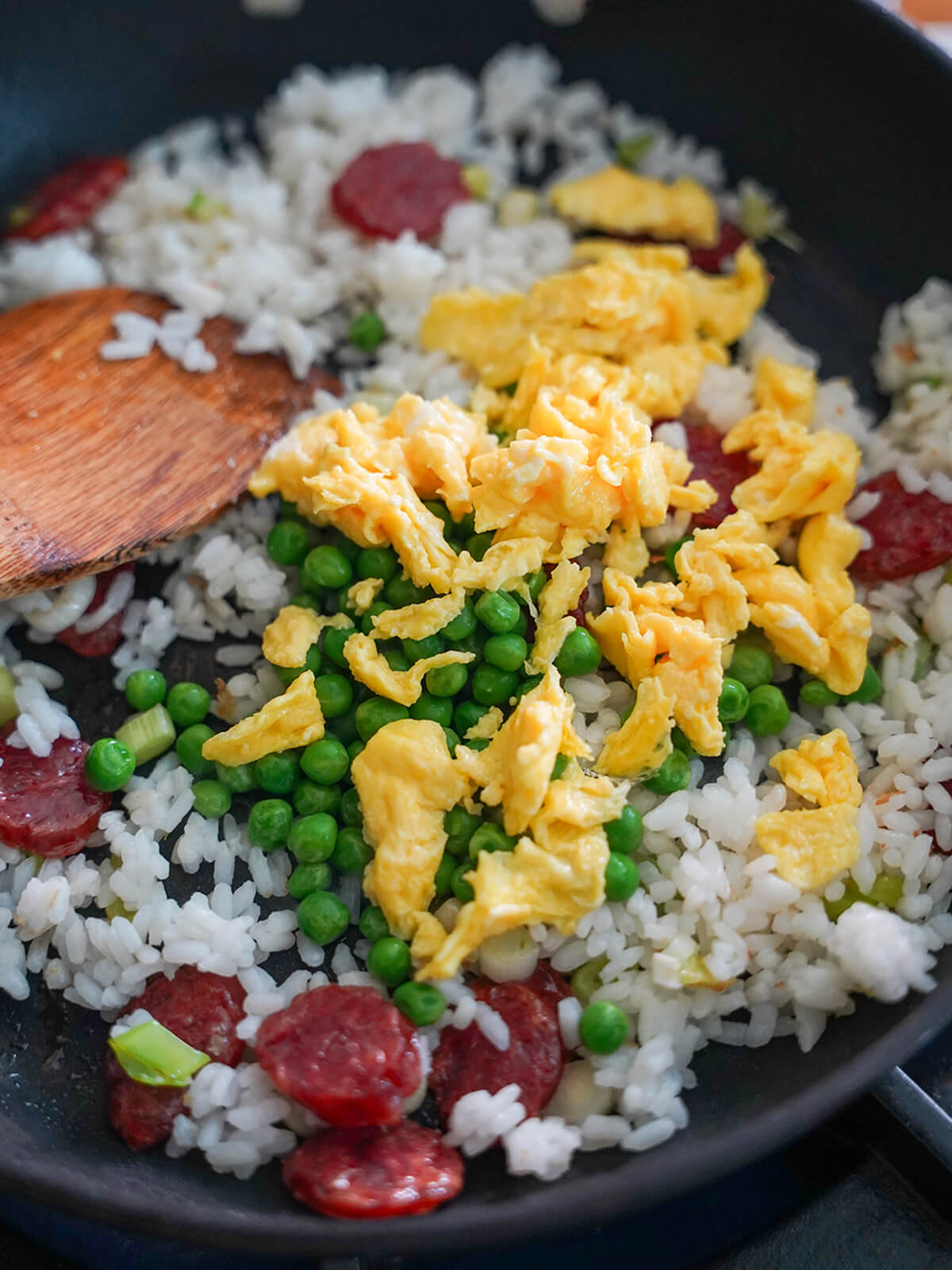
- Add the peas and add back the egg. Mix through and cook briefly, then add the white pepper and rice wine. Mix them through well. If it seems very dry, add a splash of water but it probably won't be needed. Remove from the heat and serve. Top with the thin green sliced spring onion (alternatively, you can add these in at the end shortly before serving).
Video
Notes
Nutrition (per serving)
See some of my favorite cooking tools and ingredients in the Caroline's Cooking Amazon store.
Remember to pin for later!
Leave a Reply