
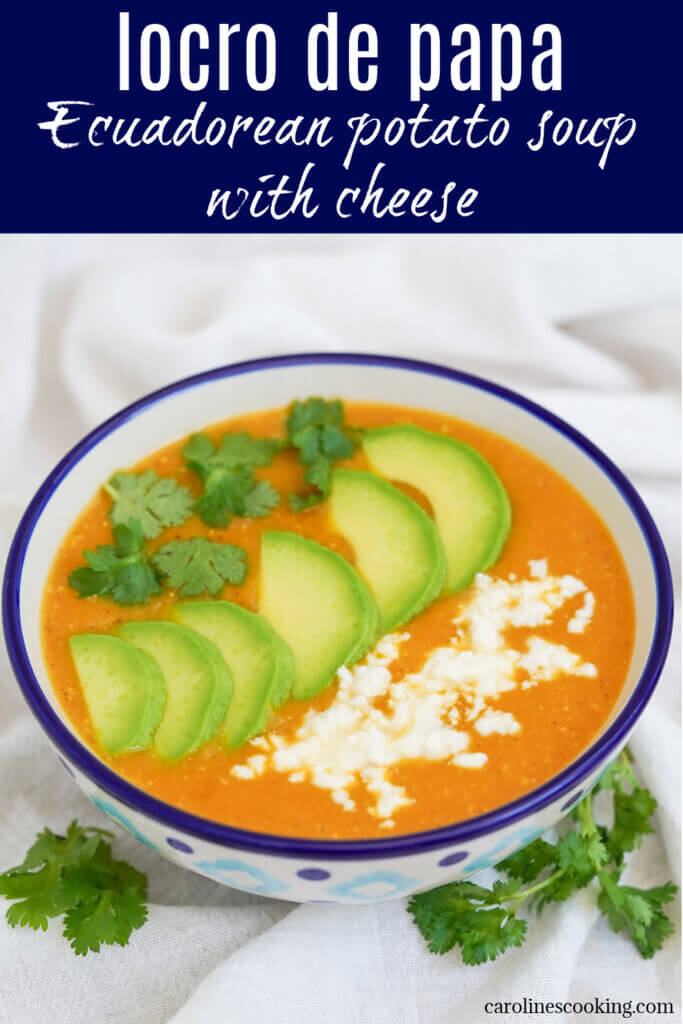
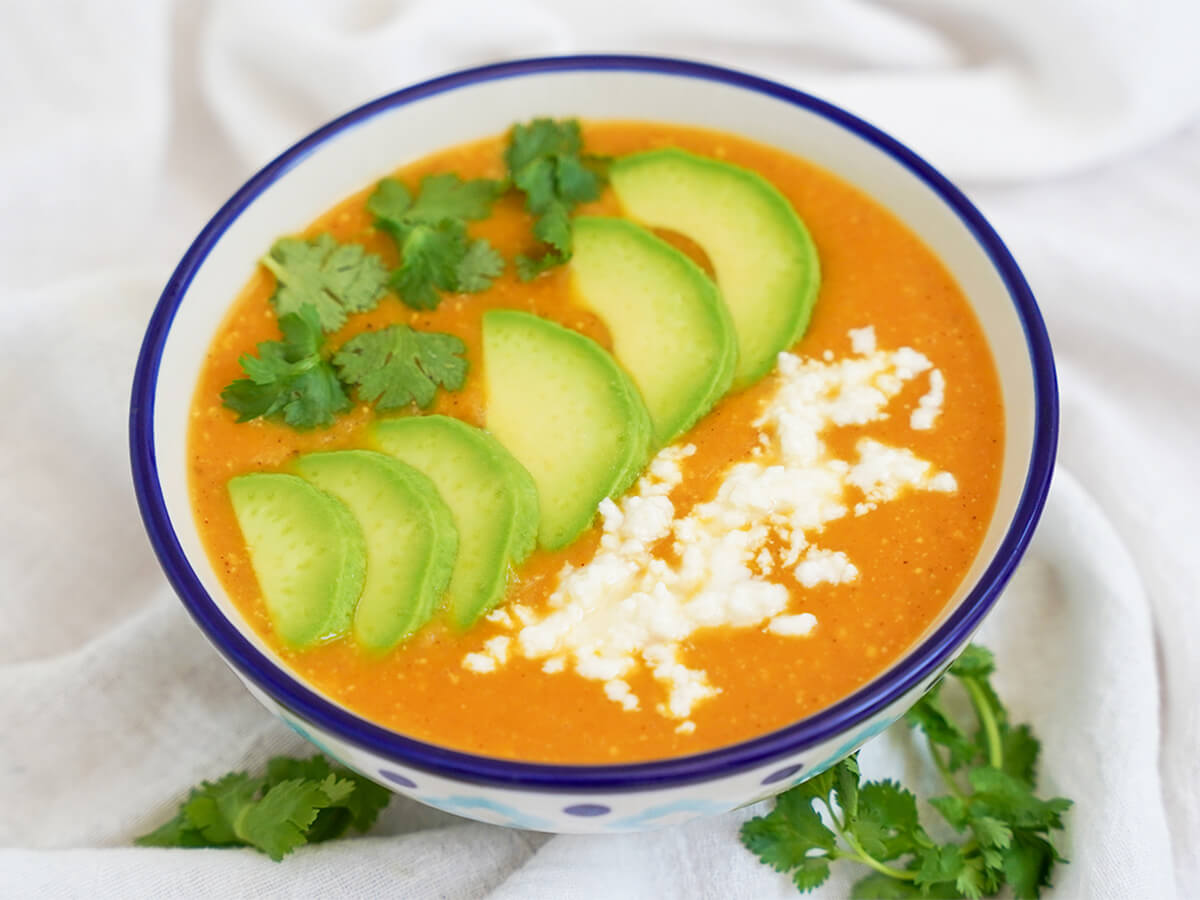
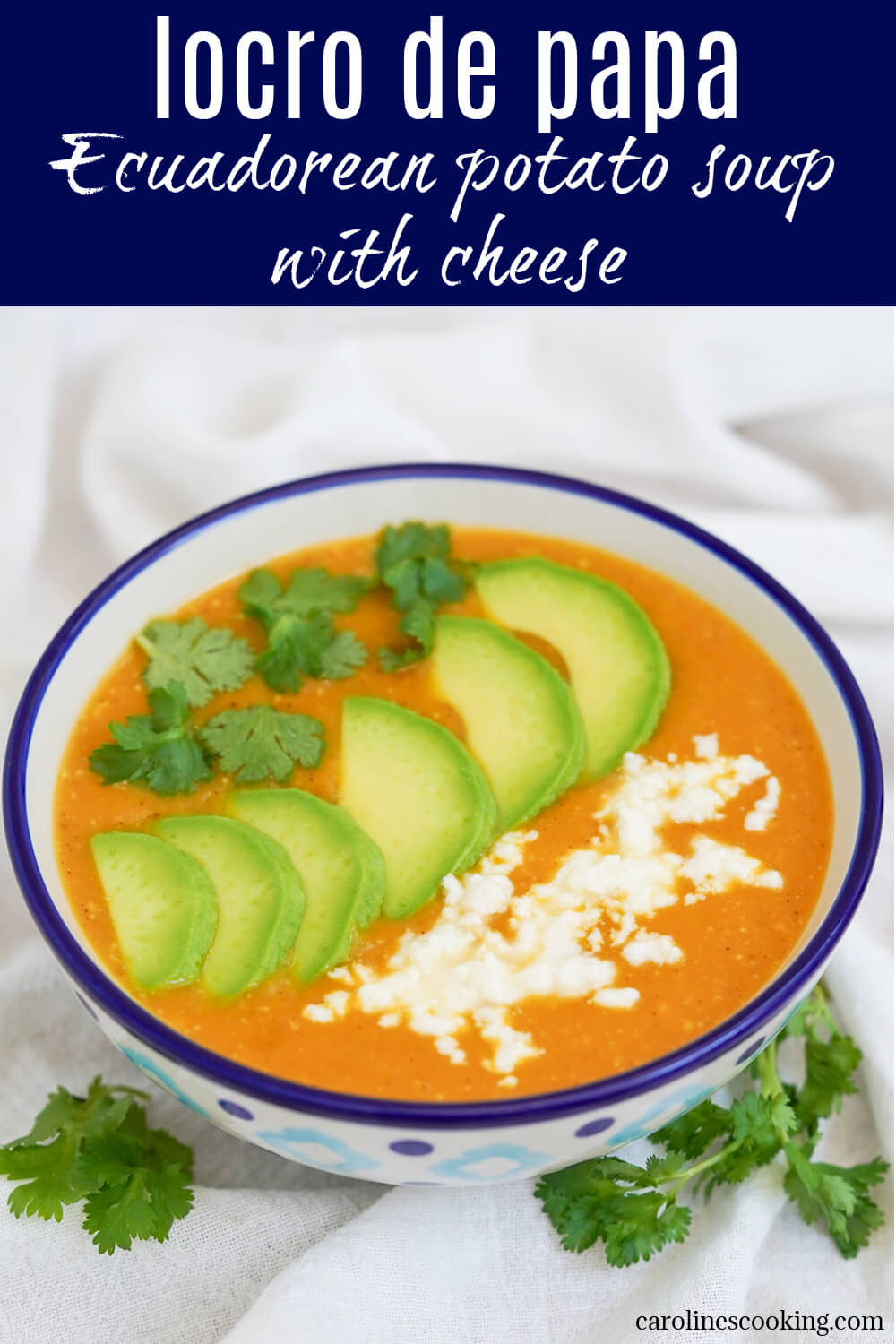
Locro de papa is a comforting Ecuadorian potato soup that's easy to make with just a few ingredients. With added cheese for a little richness, it's relatively thick, filling and perfect for a cold day.
This post may contain affiliate links, where we earn from qualifying purchases. See more details in the policy page.
Certain places have a broad range of soups in their culinary heritage, often as a way to stretch food out and to warm up, and fill up, in cooler weather. Scotland, where I grew up, was one of them, and many mountainous regions are others, including the Andes.
I've previously shared a Peruvian soup from their part of the mountains, chupe de camarones (shrimp chowder with potato and corn), and this is a classic soup/stew from Ecuador. Locro is essentially a stew, with a potato-based one like this being one of the most common. It's a relatively humble dish, but tasty and comforting.
Origins of locro
Locro comes from the Quechua "ruqru" meaning stew and pre-dates the arrival of Europeans to the region. While you get different versions, the majority use simple ingredients like potatoes, squash and corn as the base which are all native to the area.
After the arrival of the Spanish, the dish evolved to include some European ingredients, in particular milk and cheese. These days, various types of locro are enjoyed throughout the Andes, with some of the best known in Ecuador and Argentina. Argentine versions tend to include more meat, while the Ecuadorean ones are often more vegetable-focused, like this.
Even this Ecuadorean potato version has are slight variations from town to town - some add cabbage or corn, for example. But this relatively straightforward version is common particularly in Quito, and it's sometimes called locro quiteño as a result.
It's the kind of thing perfect to enjoy after going up and down the hills of Quito (which is one of the most stunning airport landings I've ever done, going by snow-capped volcanoes!) Though equally good in your own home dreaming of there, too.
Ingredients in locro de papa
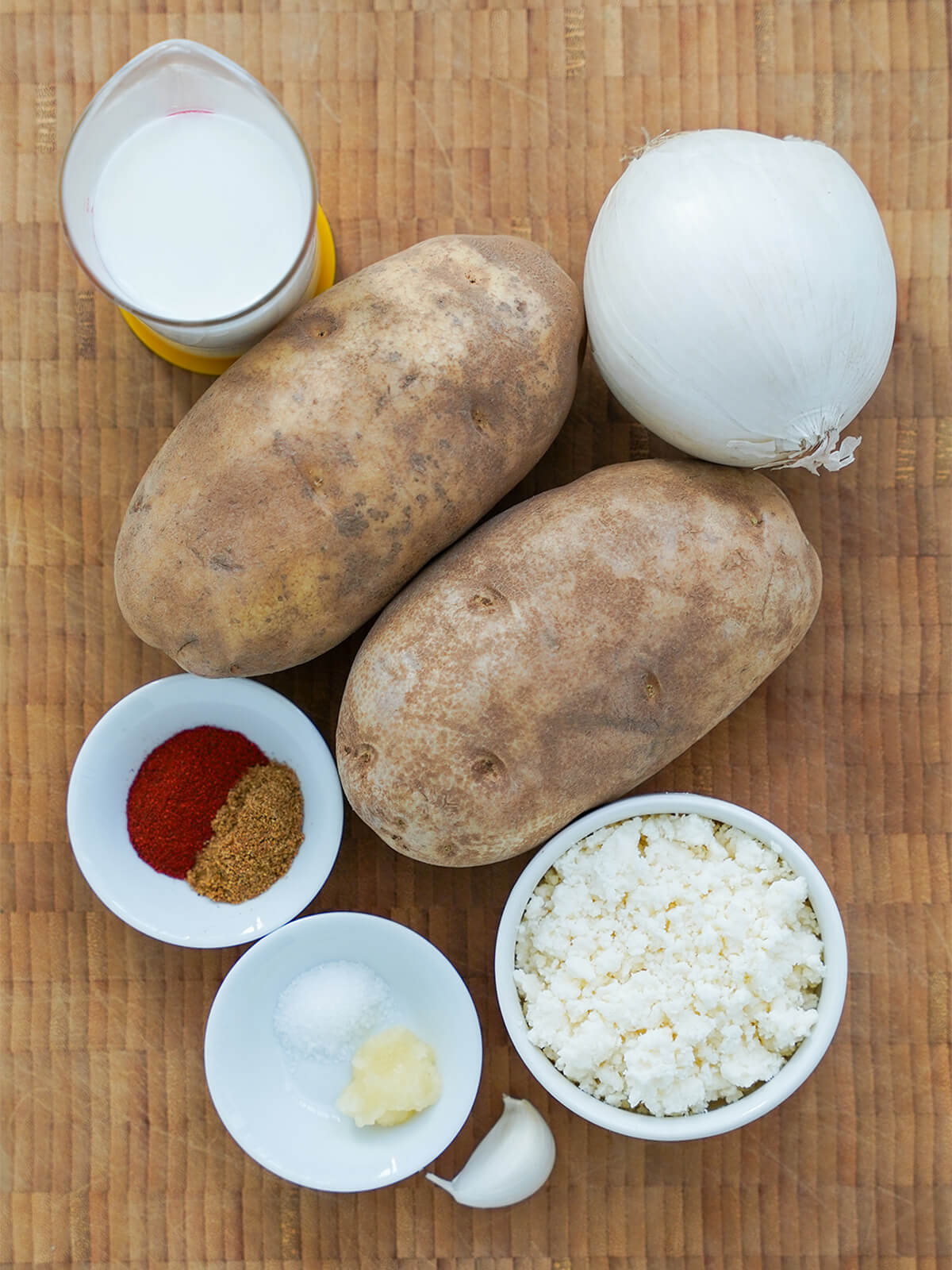
This soup needs only a relatively short list of ingredients, with only really one that may be a little trickier to source:
- Potatoes - the core ingredient, which is originally from the Andes mountains. Traditionally, you use a local variety called papa chola which is a starchy variety that helps thicken the soup. Russets, or similar starchy/floury potatoes like Maris Piper, work well as an alternative.
- Onion and garlic - these provide the aromatic base for the soup. You typically use white onion for this, but you could also mix in some spring onion.
- Cheese - you typically use the common Ecuadorean queso fresco for this, which is similar to Mexican queso fresco that you might find more easily. Alternatively you can use another very mild cheese like mozzarella.
- Milk - this adds both additional liquid (you mainly add water), but importantly a little creamy flavor. Some also add some cream for a richer flavor.
- Cumin - this adds a nice aromatic flavor and is a common spice in the region.
- Achiote (also called annatto) - this is the one ingredient that may be a little harder to find, but you can get it in specialty stores and online. It's pretty common in a number of Latin American cuisines. While best known for it's color, it adds a mild earthy, peppery flavor. It's worth hunting down if at all possible. If you can't find, try roughly three parts paprika (I'd say ideally a mix of sweet and smoked for some depth of flavor but not taking over), and one part turmeric.
You then also use a little oil for cooking, water as the main liquid, and season with a little salt and pepper, and potentially a couple garnishes (more on that below).
Papas v Patatas (v potato)
Depending on how much Spanish you know and where you learnt it, you my or may not be confused by the "papa" in the name of this dish. I'm afraid my linguistic geekiness is coming out here, so feel free to skip if this isn't you! I just find how words evolve just as interesting as food.
In Latin American Spanish, the Quechuan word for potato, papa, is used. Potatoes originated in the Andes, where Quechua is the language of the indigenous people in the region, so the name was passed into Spanish along with the food.
However in Spain, they mainly use the name "patatas", which evolved from the Quechuan "papa" and Taino "batata". Taino is a Caribbean indigenous language and batata means sweet potato. Most likely, early explorers confused the two tubers and created a word merging the two names. The English potato then comes from patata.
So in case you were wondering why this is locro de papa, but in Spain they have tortilla de patatas and other dishes, that's why.
Steps to make this soup
Overall, this is an easy soup to make. The only thing you really need is a little patience to allow the vegetables to cook properly but that's about it. You start by softening the onion to bring out it's natural sweetness and flavor - this is the first part of being a little patient, as it's important to develop flavor.
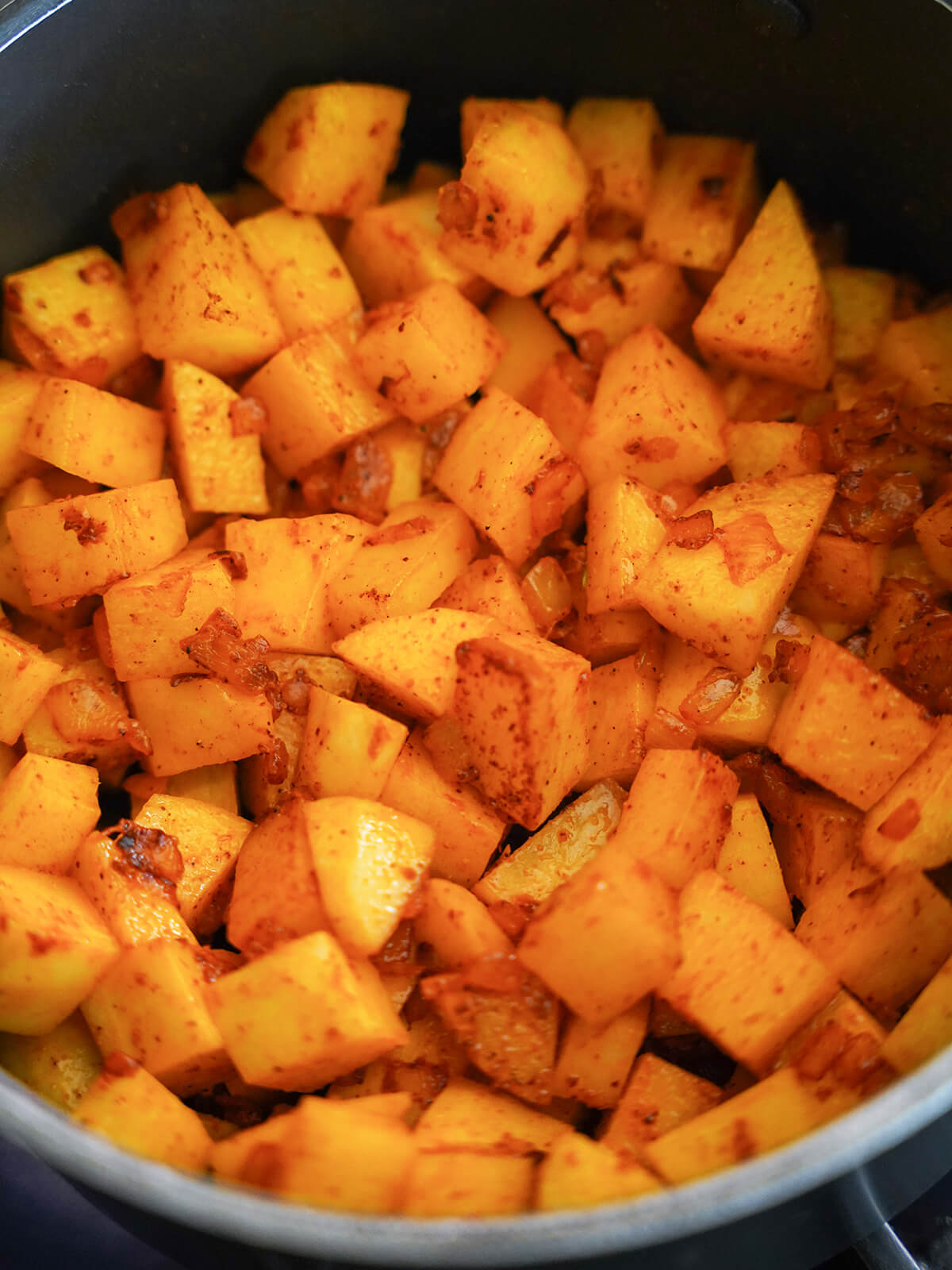
Then, add the spices and garlic and cook briefly. You want to take away any raw flavor but not burn them.Add the diced potato and cook briefly so the chunks become coated in the spice mixture - as you'll see above they become a pretty red-orange color.
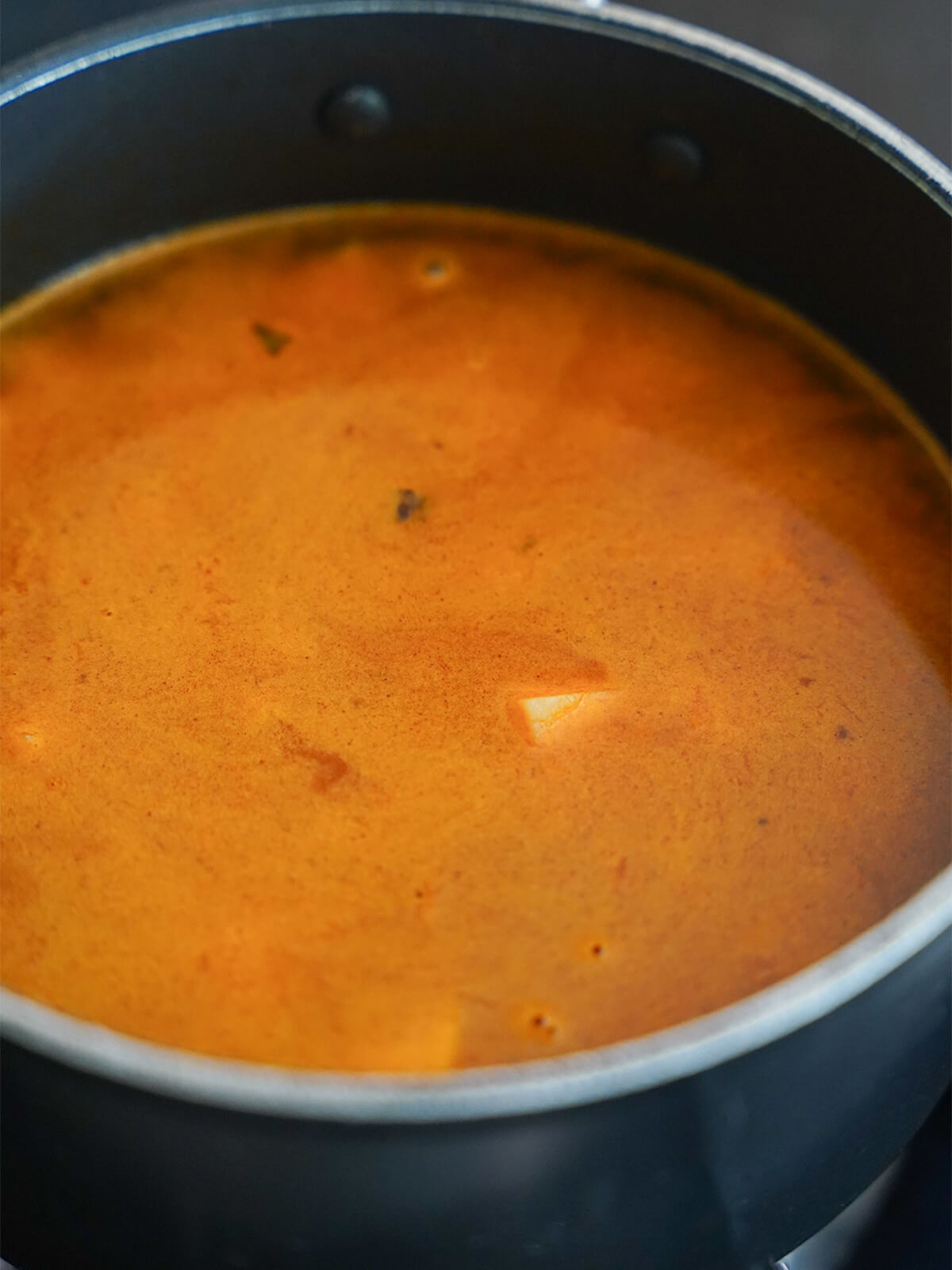
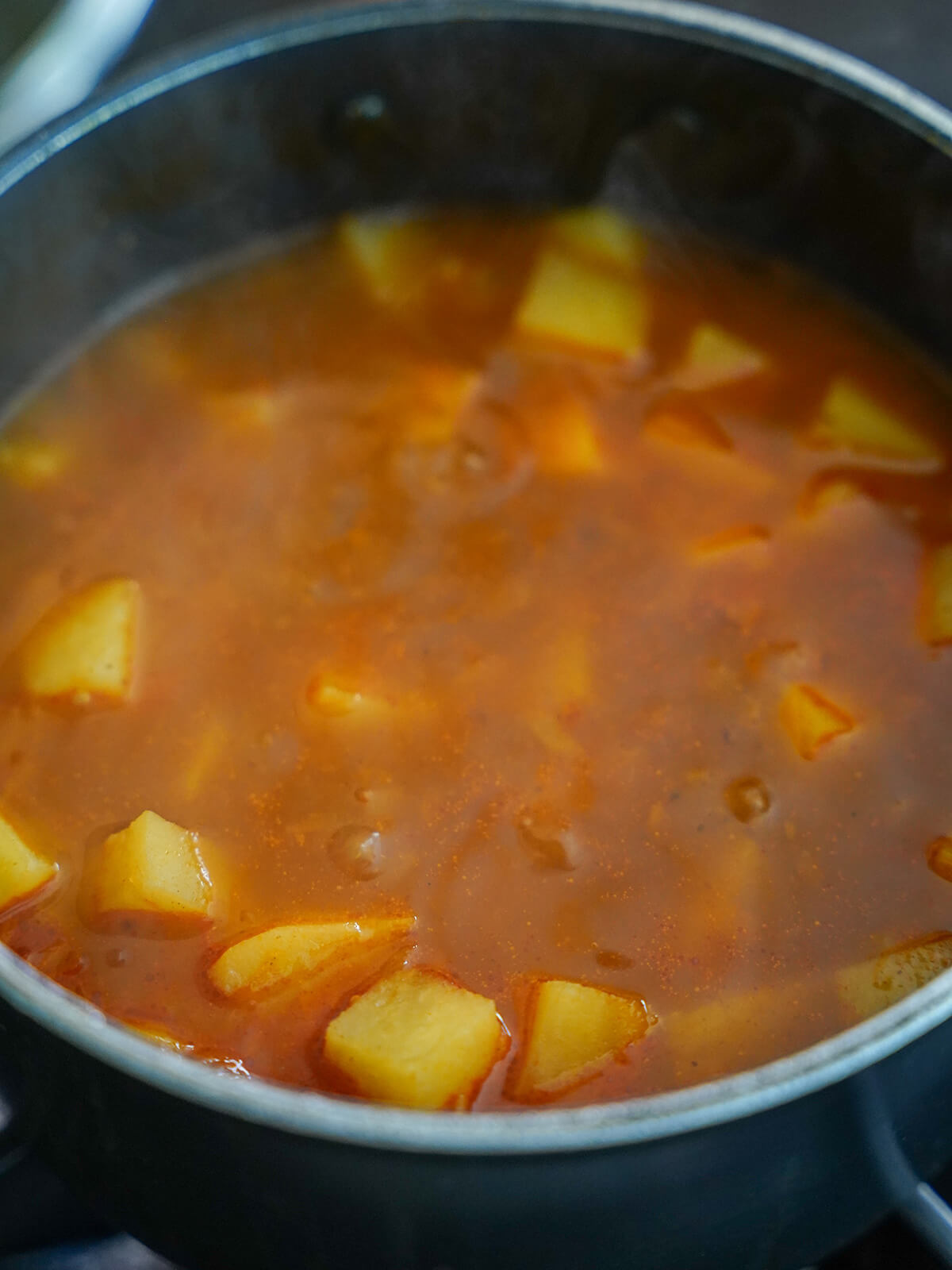
Next, add enough water to just cover the potatoes, bring to a boil and simmer. This is the next be patient moment. Give the mixture long enough for the potatoes to become really tender to release their starches. It helps give a good texture to the soup.
Once the potatoes are nice and tender, mash or blend up the soup. Traditionally, you would stir as you cook to break up the potatoes but it's quicker and easier to blend/mash at the end. Also traditionally, you leave some of the potato as chunks but it's up to you. Many modern versions blend it more fully for a creamier texture.
Lastly, add the milk and cheese (either crumbled or grated, depending on the type you use). I prefer to do this off the heat as the soup is already hot enough and it saves accidentally boiling which you don't want to do. Boiling can cause the dairy to separate out. Then you're ready to garnish and serve.
Adding garnishes
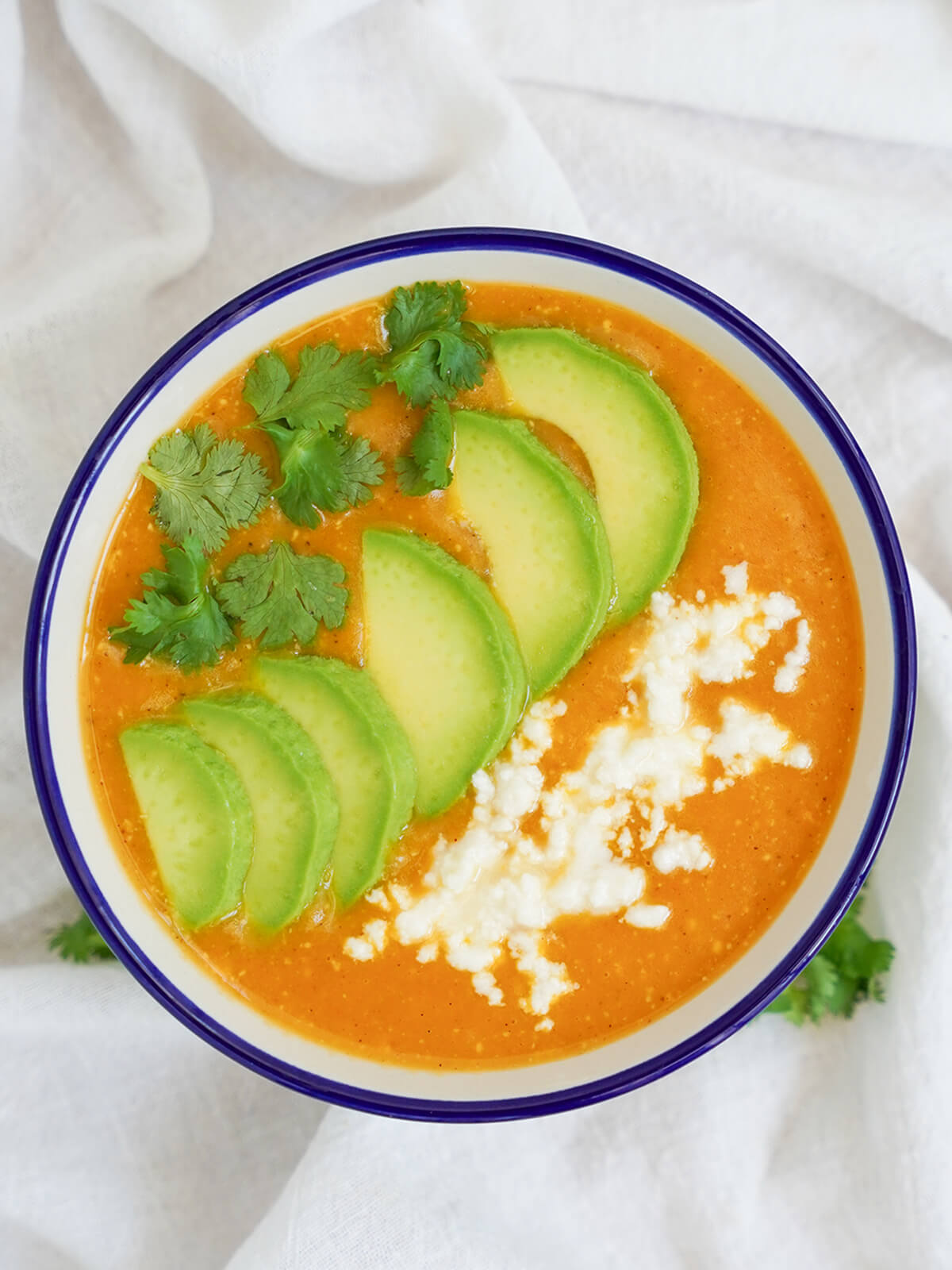
If you kept back some chunks of potato, you can add these as a bit of a garnish, but you also typically add some slices or chunks of avocado and more cheese on top. I know avocado might sound a little like it wouldn't fit at first, but believe me it works.
Add a little cilantro on top as well for a little burst of fresh herbiness, and if you like, you could add some chili for a touch of heat as well.
Leftovers and storing
If you have leftovers of the finished soup, it will keep a couple days in the fridge in a sealed container. In fact I think it may be better the next day, like many other soups and stews. To reheat, warm over medium heat on the stovetop or in the microwave in intervals. In both cases, avoid it coming to a boil just in case of separation.
If you want to make the soup ahead, I'd recommend you make up to the point of adding the milk then freeze it, as dairy can sometimes deteriorate in texture when frozen. Then defrost, warm and add the milk and cheese as normal.
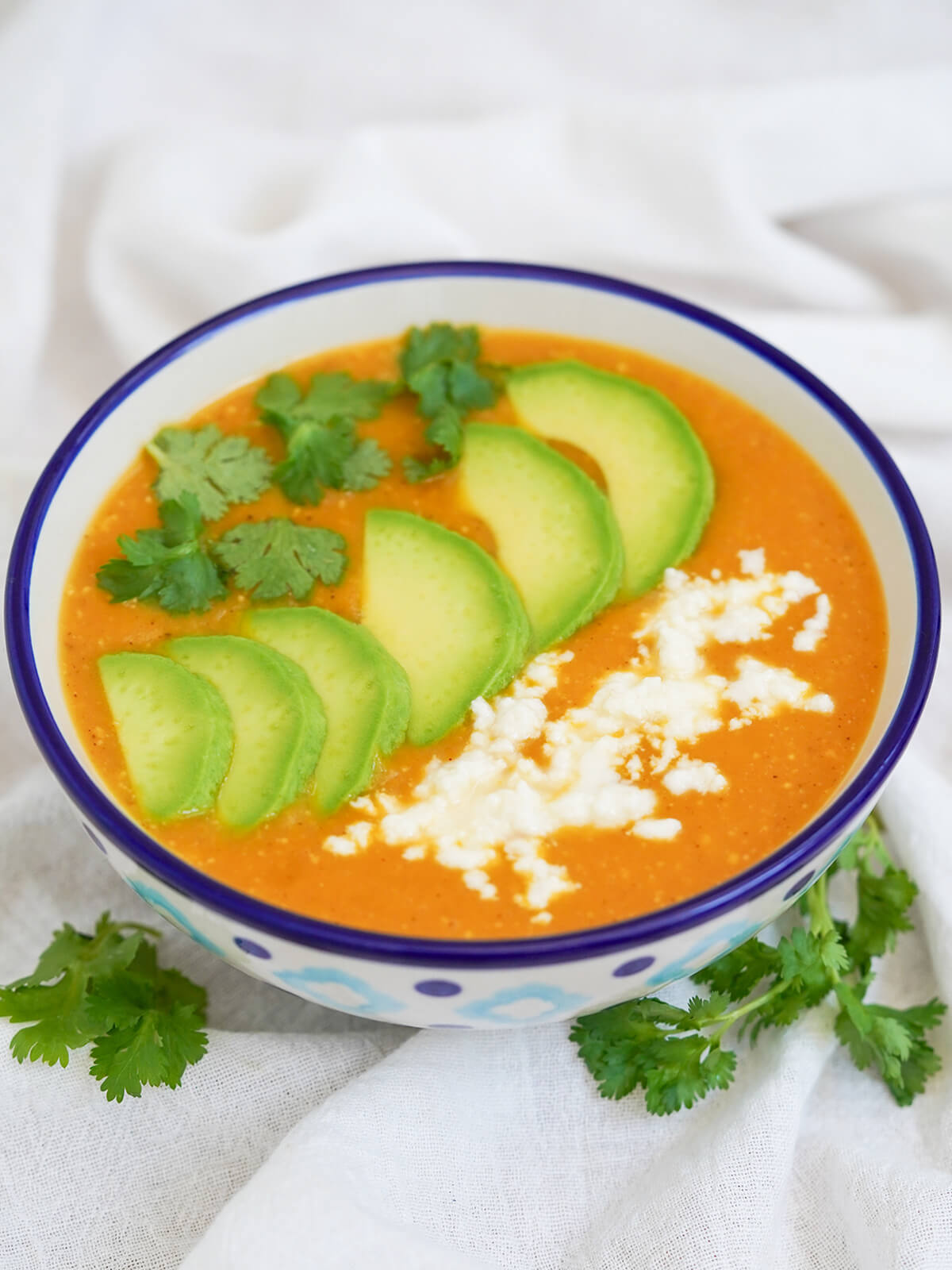
Locro de papa, Ecuadorian potato soup, is a relatively humble, simple soup but it's also one with a lovely smooth texture and gently spiced flavor. It's comforting and tasty, hearty and warming. Just the thing on a cold day.
Try these other comforting blended soups:
- Kartoffelsupppe, German potato soup, a quite different potato soup (it has meat in it!) but also very comforting and tasty.
- Mushroom, carrot and sweet potato soup, another soup with a lovely texture and mix of flavors, from a little sweet to a little earthy.
- Broccoli and Stilton soup, a quite different soup with cheese but where it again adds to the texture, this soup is so comforting and flavorful.
- Plus get more South American recipes and appetizer/starter recipes in the archives.
Locro de papa - Ecuadorian potato soup with cheese
Ingredients
- ½ white onion or more if small (½ onion giving around 1 cup once diced)
- 2 lb russet potatoes or other starchy/floury eg Maris Piper
- 1 clove garlic
- ½ cup queso fresco or can use other mild, melty cheese eg mozzarella
- 1 tablespoon vegetable oil approximately, may need slightly more
- 1 teaspoon ground cumin
- 1 teaspoon ground achiote annatto
- ½ teaspoon salt or a little more to taste
- 1 pinch pepper or more to taste
- 3 cups water or a little more, as needed
- ½ cup milk
Garnishes to serve (optional but recommended)
- 1 avocado sliced
- ¼ cup queso fresco approximately
- 2 tablespoon cilantro coriander, roughly chopped, approximately
Instructions
- Peel and dice the onions and potato into small-medium pieces and mince/grate the garlic. Crumble or grate the cheese, depending what kind you have.
- Warm the oil in a medium pot/saucepan over a medium heat. Add the onion to the pot/pan and cook, stirring now and then, for around 3 - 5 minutes until the onions are softened and translucent. It's fine if they brown slightly, but don't let them burn - reduce the heat and/or add a little extra
- Add the cumin, achiote, salt and a little pepper to the pot and stir to mix everything through. Cook for a minute or two then add the potatoes. Mix through well and cook a minute more, stirring regularly so the spices and vegetables don't burn.
- Add the water, using a little more if needed, so that the potatoes are just covered with water. Cover the pot/pan and bring to a boil. Reduce the heat to a moderate simmer and cook for round 20 - 30 minutes until the potatoes are very tender - they should break up easily when you press against the side of the pot.
- Remove from the heat and blend up the soup. You can either completely blend until smooth or leave some of the potato in chunks, as is more traditional. Add the milk, mix through then add in the cheese. Mix both well so that they blend into the soup. Check the seasoning and add additional salt/pepper to taste. If needed, reheat a little before serving.
- Serve with garnishes of your choice - a little extra cheese, some sliced or diced avocado and some cilantro/coriander are pretty typical. You could also add some chili/hot sauce.
Video
Notes
Nutrition
See some of my favorite cooking tools and ingredients in the Caroline's Cooking Amazon store.
I've drawn on a few recipes for this, including this Laylita recipe.
Remember to pin for later!
Leave a Reply